What Are Dark Spots and Sun Damage?
Dark spots and sun damage describe visible changes in skin tone and texture that can develop when pigment-producing cells respond to ultraviolet exposure, inflammation, hormonal influences, skin injury, and other biological triggers. These changes may appear as isolated brown spots, scattered freckling, uneven patches of discoloration, post-acne marks, or a generally mottled complexion. Sun damage can also contribute to dullness, rough texture, loss of elasticity, and other visible signs of premature skin aging.
Although people often use terms such as dark spots, sun spots, age spots, hyperpigmentation, and discoloration interchangeably, they do not always have the same underlying cause. Effective skincare begins with understanding that different types of pigmentation may respond to different strategies. A sun-induced spot may require a different approach than post-inflammatory hyperpigmentation after acne, while melasma is a more complex pigment condition influenced by multiple triggers.
The role of professional skincare is not simply to make skin look brighter. A thoughtful routine may help address visible excess pigment, improve the appearance of uneven tone and texture, support antioxidant defenses, protect the skin from additional environmental exposure, and maintain the hydration and barrier stability needed for consistent long-term care.
Common Concerns Associated With Dark Spots and Sun Damage
Sun Spots and Uneven Pigmentation
Cumulative ultraviolet exposure can stimulate excess melanin production and contribute to areas of concentrated discoloration, particularly on frequently exposed areas such as the face, chest, shoulders, and hands. These visible spots often become more noticeable over time as repeated environmental exposure accumulates.
Sun protection remains fundamental because ultraviolet exposure can contribute to new pigmentation and make existing areas of discoloration appear darker. For people managing persistent pigmentation, prevention and correction should be viewed as connected parts of the same skincare strategy rather than separate goals.
Post-Inflammatory Hyperpigmentation
Post-inflammatory hyperpigmentation, often called PIH, can develop after inflammation or injury to the skin. Acne breakouts, irritation, rashes, scratching, and certain procedures may leave flat areas of excess pigmentation after the original inflammation has resolved. These marks may range from light brown to deep brown or gray depending on skin tone and the depth of the pigment.
Because inflammation can stimulate pigment production, an overly aggressive skincare routine may sometimes work against the goal of creating a more even-looking complexion. Excessive exfoliation, repeated irritation, or combining too many intensive actives may compromise barrier function and perpetuate visible redness or discoloration. For this reason, skin comfort and barrier support are especially important when addressing post-inflammatory marks.
Melasma and Hormone-Influenced Pigmentation
Melasma commonly appears as symmetrical patches of brown or gray-brown discoloration, often on the face. Sun exposure is an important trigger, and hormonal influences may also play a role. Because melasma can be persistent and recurrent, it generally benefits from a comprehensive strategy centered on consistent photoprotection, carefully selected brightening ingredients, and minimizing unnecessary inflammation.
Dullness, Rough Texture, and Visible Photoaging
Sun damage is not limited to brown spots. Repeated environmental exposure may also contribute to a dull or uneven surface, rough texture, fine lines, and a loss of healthy-looking radiance. This is why professional routines for sun-damaged skin often combine several complementary product categories rather than relying on a single dark spot corrector.
Exfoliating cleansers and renewal treatments may help address surface buildup and uneven texture. Antioxidants help support the skin against oxidative stress. Brightening serums target the appearance of excess pigmentation through specialized pathways, while broad-spectrum sunscreen helps reduce additional UV exposure that can undermine visible progress.
Skin Barrier Support, Hydration, and Skin Resilience
A strong skin barrier is especially important when using corrective skincare. Many people dealing with dark spots are tempted to use multiple exfoliants, retinoids, acids, and brightening treatments simultaneously in an effort to see faster results. More intensive does not always mean more effective. Irritation can make a routine difficult to sustain and, in some skin tones, inflammation itself may contribute to additional visible pigmentation.
Hydration and barrier support help create a more stable environment for a consistent skincare routine. Humectants help attract water, emollients soften the skin, and barrier-supportive lipids help reduce moisture loss. These products may not directly target melanin pathways, but they can play an important supporting role by improving comfort and helping the skin tolerate a thoughtful corrective regimen.
Skin resilience is equally important. A successful dark spot and sun damage routine should support the complexion as a whole, not focus so aggressively on pigment that hydration, barrier integrity, sensitivity, and overall skin health are neglected. For additional education on supporting compromised skin, explore [INTERNAL LINK: Barrier Repair Skincare] and [INTERNAL LINK: How To Repair Your Skin Barrier: A Step-by-Step Guide That Actually Works].
Key Ingredients and Technologies for Dark Spots and Sun Damage
Tranexamic Acid
Topical tranexamic acid is used in professional brightening formulations to help address the appearance of uneven pigmentation. Its role in skincare centers on pathways involved in excess pigment signaling, making it particularly relevant to formulas designed for stubborn discoloration and uneven tone. It is often combined with other brightening ingredients rather than used as a stand-alone strategy.
Niacinamide
Niacinamide is a multifunctional form of vitamin B3 that is frequently included in products for discoloration because it can help address the transfer of pigment within the epidermis while also supporting barrier function. Its versatility makes it especially useful in comprehensive routines where uneven tone, visible redness, hydration, and skin resilience may overlap.
Vitamin C and Antioxidant Technologies
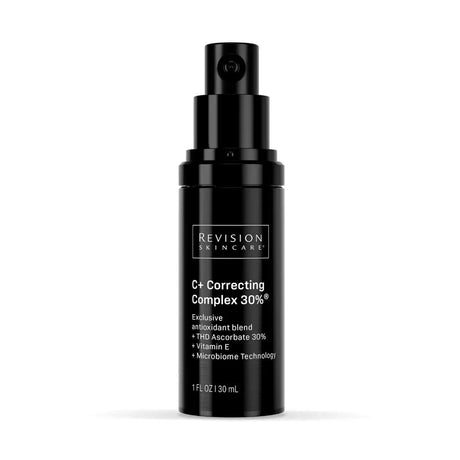
Vitamin C and other antioxidants are commonly used to support brighter-looking skin and help defend against oxidative stress associated with environmental exposure. Different vitamin C derivatives vary in stability, delivery, texture, and tolerability, so product selection should consider the complete formulation rather than assuming that every vitamin C serum performs identically.
Antioxidants are particularly valuable in sun-damage routines because visible discoloration often exists alongside other signs of environmental aging. A well-designed antioxidant treatment may therefore support brightness, overall tone, and broader skin-health goals without serving as a direct substitute for sunscreen.
Retinoids and Skin-Renewal Technologies
Retinoids support epidermal renewal and may help improve the appearance of uneven pigmentation, rough texture, fine lines, and other visible signs associated with photoaging. Because tolerance varies significantly, the strongest product is not automatically the best choice for every person. A successful routine depends on balancing visible correction with barrier comfort and consistency.
Alpha and Beta Hydroxy Acids
Exfoliating acids can help remove dull surface buildup, refine the appearance of rough texture, and support a brighter, more polished complexion. They may be found in cleansers, serums, and treatment products, but formulation type matters. A rinse-off exfoliating cleanser has a different role than a concentrated leave-on treatment.
People with sensitive, dry, recently treated, or visibly irritated skin may require a more conservative approach. Excessive exfoliation can compromise comfort and barrier integrity, so exfoliating products should complement the broader routine rather than dominate it.
Azelaic Acid and Other Multi-Pathway Brighteners
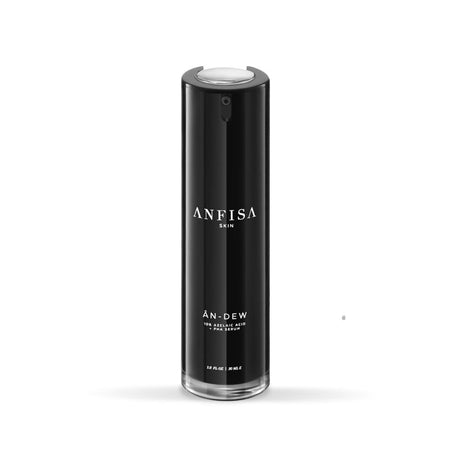
Azelaic acid is particularly relevant when discoloration overlaps with blemish-prone skin or visible redness. Other professional formulations may use botanical extracts, peptides, pigment-modulating technologies, or combinations of complementary ingredients to address uneven tone through several pathways at once.
The best formula is not determined by the longest ingredient list. Skin type, the likely cause of discoloration, sensitivity, current routine, environmental exposure, and the presence of active inflammation all influence product selection.
Broad-Spectrum Sunscreen and Tinted Mineral Protection
Daily photoprotection is one of the most important components of any routine for dark spots and sun damage. Sunscreen does not erase existing pigmentation by itself, but it helps reduce additional ultraviolet exposure that may darken existing discoloration or contribute to new visible damage.
For certain pigmentation concerns, including melasma and some forms of persistent hyperpigmentation, tinted sunscreens containing iron oxides may provide an additional advantage because visible light can also influence pigmentation. Sunscreen selection should still account for skin type, finish, sensitivity, tint preference, and whether the formula is comfortable enough for consistent use.
Building a Skincare Routine for Dark Spots and Sun Damage
A well-designed routine generally includes several distinct roles: gentle cleansing, targeted correction, hydration or barrier support when needed, antioxidant defense, and daily photoprotection. Not every person requires an intensive product in every category. The goal is to create a balanced regimen that addresses the primary concern without unnecessarily overwhelming the skin.
Start With the Type of Discoloration
Product selection should begin with the likely cause of the visible pigmentation. Sun spots, post-acne marks, melasma, and general photoaging may all produce uneven tone, but they are not identical concerns. Someone dealing with active breakouts and post-inflammatory marks may prioritize inflammation control differently from someone primarily concerned with cumulative sun exposure.
Choose a Primary Corrective Strategy
Rather than layering several aggressive treatments at once, consider the central role of each formula. A targeted brightening serum may address visible discoloration directly, while retinoid or exfoliating technologies may focus more broadly on renewal and texture. Antioxidants add environmental support, and recovery-focused formulas may help improve overall skin quality and resilience.
Protect the Progress
Corrective skincare and photoprotection should work together. Without consistent protection from additional ultraviolet exposure, existing spots may become more noticeable and new areas of discoloration may develop. This is why sunscreen is not merely an optional finishing product within this category. It is a core part of long-term pigmentation management.
Respect the Skin Barrier
Persistent stinging, excessive dryness, peeling, or visible irritation may be signs that a routine has become too aggressive. Adding more corrective products in this situation may not be productive. Supporting hydration and barrier comfort can be an important part of maintaining a routine that is sustainable over time.
Why Professional Skincare Matters for Dark Spots and Sun Damage
Professional skincare can provide access to sophisticated formulation technologies, stabilized antioxidants, advanced delivery systems, specialized pigment-supporting ingredients, cosmetically elegant sunscreens, and products designed to address several aspects of skin health at once. The value is not simply that a formula contains a recognizable ingredient, but how ingredients are selected, combined, stabilized, and delivered within the finished product.
Your Skincare Source offers authorized, professional skincare from physician-recommended brands with options for visible discoloration, sun damage, uneven tone, post-inflammatory marks, photoaging, sensitivity, and barrier support. A category-based approach makes it easier to compare different product roles without assuming that every brightening serum, exfoliant, antioxidant, or sunscreen serves the same purpose.
Professional skincare should still be chosen thoughtfully. More intensive is not always better, and visible results depend on the underlying concern, product tolerance, consistency, environmental exposure, and individual skin biology. New, rapidly changing, irregular, bleeding, or otherwise concerning pigmented lesions should be evaluated by a qualified healthcare professional rather than treated as cosmetic dark spots.
Leading Brands for Dark Spots and Sun Damage
Revision Skincare
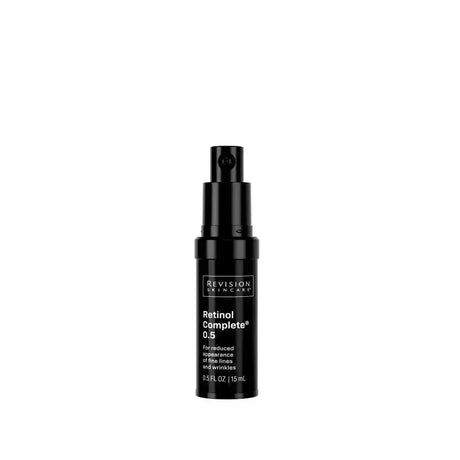
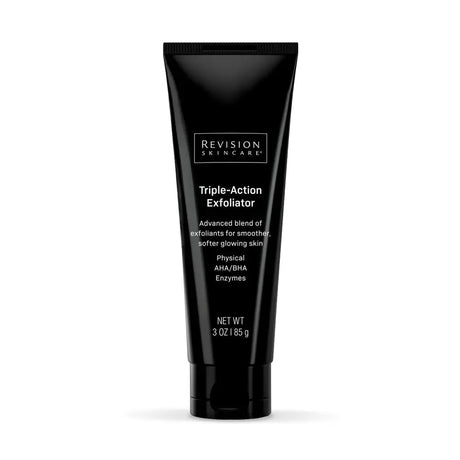
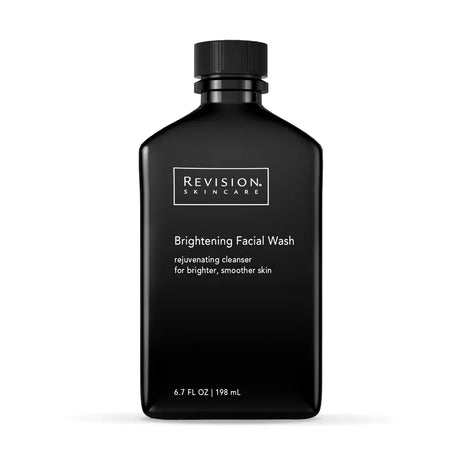
Revision Skincare offers multiple product categories relevant to sun-damaged and uneven-looking skin, including exfoliating cleansers, antioxidant treatments, retinoid formulas, resurfacing products, and daily sunscreens. This broad range makes the brand especially useful for building a complete routine rather than selecting a single corrective serum in isolation.
Alastin Skincare
Alastin combines targeted discoloration support with antioxidant technologies, retinoid options, hydration, and mineral sun protection. Its range is particularly relevant for people addressing uneven tone alongside broader visible signs of environmental and age-related skin change.
SkinBetter
SkinBetter offers specialized tone-correcting serums designed for persistent discoloration and uneven complexion concerns. The brand is particularly relevant for shoppers researching advanced, targeted treatment formulas within a comprehensive professional skincare routine.
Hydrinity
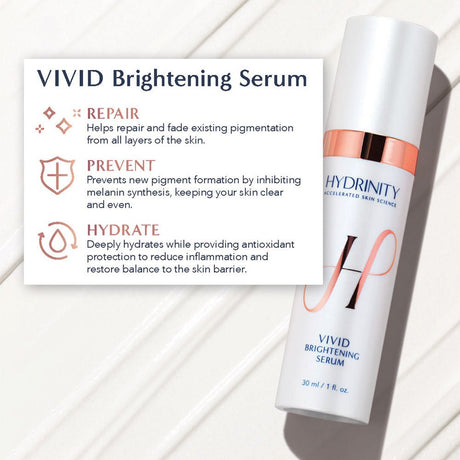
Hydrinity brings together targeted brightening and hydration-focused technologies, making the brand relevant for people who want to address discoloration while keeping skin comfort and moisture support in view. This can be especially important when sensitivity limits tolerance for more aggressive corrective routines.
Young Goose
Young Goose takes a science-driven approach to skin renewal, with advanced formulas designed to support a brighter, more even-looking complexion while improving the appearance of discoloration, redness, texture, and overall skin quality. The brand may be especially appealing to those addressing dark spots as part of a broader skin-longevity and healthy-aging routine.
A Long-Term Approach to More Even-Looking Skin
Managing dark spots and visible sun damage requires more than choosing a single brightening product. The most thoughtful approach considers the cause of discoloration, the biology of pigment production, inflammation, skin renewal, antioxidant support, hydration, barrier stability, and ongoing environmental exposure. By combining targeted correction with daily photoprotection and respect for skin resilience, a routine can support a brighter, smoother, more even-looking complexion while contributing to long-term skin health.
Looking for skincare for dark spots and hyperpigmentation? Explore targeted serums, brightening treatments, exfoliants, and daily skincare designed to improve the look of uneven tone and visible discoloration. Shop products from authorized skincare brands with VIP customer pricing, limited-time offers, and available free gifts with qualifying purchases.