Skincare for Oily Skin: Balance Without Over-Drying
Oily skin produces more surface sebum, the natural oil made by the skin's sebaceous glands. This can contribute to noticeable shine and may occur alongside concerns such as congestion, visible pores, or breakouts. The goal of an oily-skin routine is not to remove every trace of oil. Instead, choose products that help manage excess oil while maintaining hydration and supporting the skin barrier.
Harsh cleansing and excessive exfoliation can leave skin irritated and uncomfortable. A more balanced approach combines effective cleansing, targeted ingredients, lightweight hydration, and daily sun protection.
What Can Contribute to Oily Skin?
Oil production is influenced by sebaceous gland activity, hormones, genetics, age, and individual skin characteristics. This is why two people using identical skincare routines may experience very different levels of oiliness.
Oily skin can also change over time. Someone may experience greater oiliness during certain stages of life while noticing less sebum production as they age. Rather than trying to permanently change your skin type, build a routine that can be adjusted as your skin's needs change.
How to Choose Skincare Products for Oily Skin
Start With a Gentle Cleanser
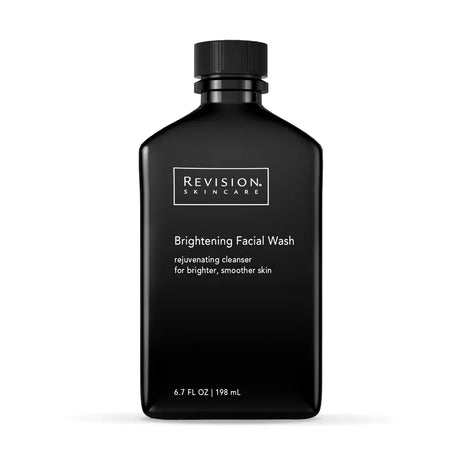
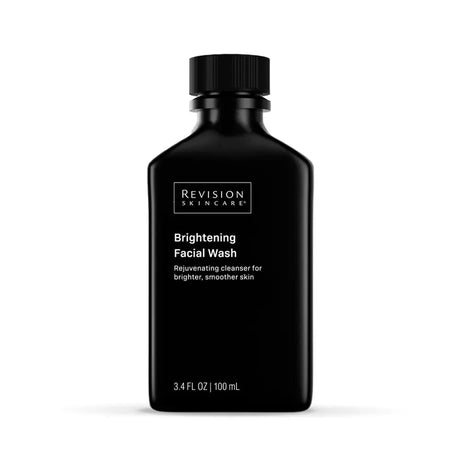
Cleansing helps remove excess surface oil, sunscreen, makeup, and daily buildup. Oily skin does not automatically require an aggressive or highly drying cleanser. A gentle formula can cleanse effectively while reducing the likelihood of unnecessary irritation.
Explore Cleansers & Toners to compare cleansing formulas and routine-prep options.
Use Exfoliation Strategically
Exfoliating ingredients can be helpful when oiliness occurs with congestion, rough texture, or clogged pores. Salicylic acid, a beta hydroxy acid, is commonly used in formulas designed for oily and congestion-prone skin because it helps loosen buildup associated with clogged follicles.
Alpha hydroxy acids such as glycolic acid and lactic acid may also be used to support smoother-looking skin and surface exfoliation. More exfoliation is not necessarily better. Choose frequency according to the formula, your other active products, and your skin's tolerance.
Shop Exfoliants when exfoliation is one of your primary skincare goals.
Do Not Skip Hydration
Oil and hydration are not the same thing. Sebum refers to the skin's oil, while hydration relates to water within the skin. This means skin can feel oily at the surface while still benefiting from hydrating ingredients.
Lightweight serums, gels, lotions, and other comfortable textures can provide hydration without requiring a heavy finish. Humectants such as glycerin and hyaluronic acid are commonly used to attract and retain water within cosmetic skincare formulations.
If hydration is the primary concern, explore Hydrating Skincare.
Choose a Moisturizer That Fits Your Skin
Oily skin still benefits from moisturizer. Look for a texture that feels comfortable on your skin and works well with the rest of your routine. Some shoppers prefer lightweight lotions, gels, or gel-creams rather than richer creams.
A moisturizer can become especially important when your routine includes exfoliating acids, retinoids, or other active ingredients that may contribute to dryness or irritation.
Compare options in the Moisturizers collection.
Select Serums Based on Your Main Concern
Not every serum for oily skin needs to target oil directly. Choose treatment serums according to what you actually want to improve, whether that is visible shine, congestion, uneven texture, discoloration, visible aging, redness, or hydration.
Niacinamide is frequently used in skincare for oily skin and has evidence supporting its ability to help reduce facial sebum and visible oiliness in some topical formulations. The complete formulation still matters, and a higher ingredient percentage does not automatically make a product more effective or appropriate.
Explore Face Treatments & Serums for targeted leave-on formulas.
Finish the Morning Routine With Sunscreen
Oily skin still needs daily sun protection. Choose a sunscreen with a finish and texture that you are comfortable wearing consistently. Lightweight, oil-free, or non-comedogenic options may be especially appealing to shoppers concerned about shine or breakouts.
Explore Sunscreens & SPF Products to find a daily formula that fits your routine.
Ingredients Commonly Used in Skincare for Oily Skin
-
Salicylic Acid: A beta hydroxy acid commonly used to support exfoliation and help reduce buildup associated with clogged pores.
-
Niacinamide: A form of vitamin B3 frequently used in serums and moisturizers that may help reduce visible oiliness while supporting overall skin function.
-
Alpha Hydroxy Acids: Ingredients such as glycolic acid and lactic acid can support surface exfoliation, smoother texture, and more even-looking skin.
-
Retinoids: Vitamin A derivatives used in skincare for concerns including texture, congestion, acne, discoloration, and visible aging. Introduce them according to product directions and individual tolerance.
-
Humectants: Ingredients such as glycerin and hyaluronic acid help support hydration and can be especially useful in lightweight formulas.
-
Barrier-Supportive Ingredients: Ceramides and other moisturizing ingredients can help support skin comfort when an oily-skin routine includes potentially drying active products.
Ingredient lists should always be evaluated as part of the complete formulation. Texture, delivery system, supporting ingredients, frequency of use, and individual tolerance can be just as important as the presence of one featured ingredient.
A Simple Routine for Oily Skin
Morning
-
Step 1: Cleanse gently to remove overnight oil and buildup.
-
Step 2: Apply a serum or treatment based on your primary skin concern, if needed.
-
Step 3: Apply a lightweight moisturizer or hydrating formula as appropriate for your skin.
-
Step 4: Finish with broad-spectrum sunscreen.
Evening
-
Step 1: Remove makeup and sunscreen and cleanse the skin.
-
Step 2: Apply an exfoliant, retinoid, or other targeted treatment according to the product directions and your skin's tolerance.
-
Step 3: Follow with appropriate hydration or moisturizer.
You do not need multiple products performing the same job. A simple, consistent routine is often easier to tolerate and makes it easier to determine which products are actually helping your skin.
Oily Skin Is Not the Same as Acne-Prone Skin
Oily skin and acne-prone skin frequently overlap, but they are not the same concern. Someone can have oily skin without frequent breakouts, and acne can occur in people who do not consider their skin especially oily.
If excess shine and oil are your main concerns, continue shopping this Oily Skin collection. If clogged pores, recurring blemishes, or breakouts are the primary issue, explore Acne-Prone Skin for a more acne-focused skincare approach.
For products specifically intended to address blemishes and acne, visit Acne Treatments.
Common Oily Skin Routine Mistakes
-
Over-cleansing: Washing repeatedly or scrubbing aggressively can irritate the skin.
-
Skipping moisturizer: Oily skin can still benefit from hydration and an appropriate moisturizer.
-
Using too many exfoliants at once: Combining several acids, scrubs, retinoids, or other active products can increase the likelihood of irritation.
-
Choosing products only because they promise a matte finish: Oil control is only one part of maintaining comfortable, healthy-looking skin.
-
Treating every oily-skin concern as acne: Product selection should be based on what your skin actually needs.
If your routine has become dry, tight, flaky, or easily irritated from active skincare, consider simplifying your routine and exploring Barrier Repair Skincare.
Shop Oily Skin Care at Your Skincare Source
Explore cleansers, exfoliants, serums, moisturizers, sunscreens, and targeted skincare selected for oily and combination skin needs. Your Skincare Source is an authorized retailer of the brands we carry, so you can shop with confidence while building a routine that fits your skin, texture preferences, and skincare goals.
Qualifying promotions, savings, and gift-with-purchase opportunities may be available on select brands and products.