What Is GLP-1 Skincare Support?
GLP-1 skincare support refers to a thoughtful selection of topical products designed to address visible skin concerns that may become more noticeable during or after significant weight loss associated with GLP-1 treatment.
Some people report that their face appears less full after losing weight. Cheeks may look more hollow, under-eye contours may become more pronounced, and wrinkles or skin laxity may appear more visible. These changes are sometimes described informally as “Ozempic face,” but they are not exclusive to Ozempic or any one medication.
Rapid or substantial weight loss from many causes can reduce the fat and muscle volume that previously supported the facial skin. Age, genetics, sun exposure, skin thickness, the amount and speed of weight loss, and underlying collagen and elastin changes can all influence how the face responds.
GLP-1 medications do not create a unique type of wrinkle. Instead, changes beneath the skin may reveal expression lines, static wrinkles, laxity, dryness, and textural concerns that were previously less noticeable.
Topical skincare cannot replace lost facial fat, rebuild significant muscle volume, or fully tighten loose skin. It can, however, support the visible quality of the skin by improving hydration, barrier function, texture, elasticity, radiance, and resilience. This distinction is essential when setting realistic expectations for skincare during and after GLP-1-supported weight loss.
Common Skin Concerns During and After GLP-1 Weight Loss
Skin changes vary considerably from person to person. Some people notice very little difference beyond the expected change in facial shape, while others become concerned about wrinkles, dryness, laxity, or a more tired-looking appearance.
Reduced Facial Fullness
Facial fat provides contour and structural support. When this volume decreases, the cheeks, temples, and area beneath the eyes may appear more hollow. Nasolabial folds, marionette lines, and other creases can also become more noticeable because the skin has less underlying support.
No topical skincare product can replace this lost facial volume. Products focused on firmness, hydration, surface smoothness, and collagen-supportive skincare may improve the appearance of the overlying skin, but they should not be represented as alternatives to medical procedures that restore volume.
More Visible Expression Lines and Static Wrinkles
Expression lines develop where the skin repeatedly folds during smiling, squinting, frowning, and other facial movements. These are known as dynamic wrinkles when they appear mainly during expression.
Static wrinkles remain visible while the face is relaxed. As facial fullness decreases and the skin becomes less supported, both dynamic and static lines may appear deeper or more established.
Learn more about the distinction between these wrinkle types in [INTERNAL LINK: Dynamic vs. Static Wrinkles: How Expression Lines Develop and Change Over Time].
Skin Laxity and Crepey Texture
Skin that previously covered a fuller facial structure may appear looser after substantial weight loss. The degree of visible laxity depends on several factors, including age, genetics, cumulative sun damage, skin elasticity, and the amount and pace of weight loss.
Crepey texture may be especially noticeable around the eyes, cheeks, neck, and lower face. Professional skincare may support hydration, elasticity, surface smoothness, and overall skin quality, but significant loose skin may require consultation with a dermatologist or qualified aesthetic medical provider.
Dryness and Dehydration
Some people experience increased dryness or dehydration during major weight changes. Changes in appetite, nutrition, fluid intake, lifestyle, climate, and skincare habits may all contribute.
Dehydrated skin can make fine lines appear deeper because the outer layers of the skin become less flexible and reflect light less evenly. Dryness may also increase tightness, flaking, sensitivity, and discomfort.
Hydrating serums and barrier-support products can improve moisture balance and help the surface appear smoother and more supple. Explore [INTERNAL LINK: Hydrating Skincare Products Collection] for complementary hydration options.
Dullness and Uneven Texture
When the skin is dehydrated, stressed, or renewing less efficiently, it may look dull or uneven. Existing sun damage and discoloration may also become more noticeable as facial contours change.
Retinoids, antioxidants, hydration products, and professional renewal treatments can address different aspects of texture and tone. These categories should be selected according to skin tolerance rather than combined aggressively.
Increased Sensitivity
A routine that was previously comfortable may begin to feel overly active when the skin is dry or barrier-compromised. Stinging, redness, flaking, and tightness are signs that the skin may need more supportive care and less stimulation.
Adding more acids, scrubs, or high-strength treatments is not always the appropriate response to visible aging. A stable skin barrier helps the skin retain water, tolerate corrective products, and recover from environmental stress.
Why Traditional Anti-Aging Routines May Fall Short
Many anti-aging routines focus almost entirely on exfoliation or retinoids. These treatment categories can be valuable, but they do not address every visible change associated with substantial weight loss.
A routine based only on resurfacing may overlook hydration, barrier function, visible firmness, recovery, environmental defense, and expression-related wrinkles. Excessive exfoliation can also increase moisture loss and irritation, causing fine lines and texture to look temporarily worse.
Moisturizer alone may improve softness and dehydration lines, but it cannot address every concern related to elasticity, sun damage, collagen support, or uneven texture. Similarly, a targeted wrinkle serum cannot replace sunscreen, barrier care, or broader structural support.
GLP-1 skincare support is therefore best approached through multiple complementary pathways rather than a single product or treatment mechanism.
A Multi-Pathway Strategy for Skin Resilience
The most effective skincare strategy depends on the individual’s primary concerns, skin tolerance, and existing regimen. A complete approach may combine several of the following functions without requiring every product category at once.
Structural Skin Support
Products focused on visible firmness, elasticity, collagen, and elastin support can help improve the quality of skin that appears less supported after weight loss. They cannot restore facial fat, but they may contribute to smoother texture and a more resilient appearance.
Expression-Line Support
Targeted expression-line serums are designed for areas affected by repetitive facial movement, including the forehead, crow’s feet, under-eye area, and lines around the mouth. These topical products should not be described as equivalent to injectable neuromodulators.
Regenerative and Recovery-Focused Skincare
Advanced regenerative and cellular-signaling technologies are increasingly used in professional skincare to support visible renewal, calm, texture, tone, and resilience. These products may be particularly relevant when the skin looks stressed, fragile, or less vibrant.
Regenerative skincare remains cosmetic support. It should not be presented as replacing lost tissue, treating a medical condition, or reproducing the effects of a medical procedure.
Hydration and Barrier Support
Humectants help attract water to the outer skin layers, while lipids, ceramides, cholesterol, and moisturizers help the skin retain that water. This combination supports flexibility, comfort, and a smoother-looking surface.
Barrier-focused skincare is especially important for people using retinoids, exfoliants, or other corrective products. Learn more in How to Repair Your Skin Barrier.
Retinoid and Renewal Support
Retinoids are widely used in professional skincare to support skin renewal, texture, pigmentation, and the appearance of static fine lines. Retinal is one form of vitamin A used in advanced skincare formulations.
Retinoids may not be appropriate for every person or every stage of a routine. Skin that is already dry, reactive, or barrier-compromised may require a more gradual and supportive strategy.
Environmental Defense
Ultraviolet exposure and environmental stress contribute to collagen degradation, pigmentation, rough texture, and premature skin aging. Antioxidant support and broad-spectrum sunscreen help protect the progress supported by the rest of the regimen.
Daily sun protection is especially important when using retinoids, exfoliating treatments, or products intended to improve visible aging. Explore Sunscreens & SPF Products Collection for professional sun protection options.
Key Ingredients and Skincare Technologies
The value of a professional formula cannot be determined from one trending ingredient alone. Delivery systems, stability, ingredient compatibility, texture, packaging, and tolerability all affect how a product performs within a routine.
Peptides
Peptides are short amino acid chains used in skincare for different cosmetic purposes. Depending on their structure and formula, peptides may support the appearance of firmness, elasticity, hydration, fine lines, or expression-related creases.
Not all peptides perform the same function. The finished formulation is more important than the presence of the word “peptide” on a label.
Growth Factors, Secretomes, and Extracellular Vesicle Technologies
Advanced signaling technologies are used in regenerative skincare to support communication associated with healthy-looking skin. Products in this category may focus on visible renewal, tone, texture, calm, and resilience.
These technologies vary significantly by brand, source, processing method, delivery system, and quality controls. They should not be treated as interchangeable.
Retinal and Other Retinoids
Retinoids support renewal and are commonly selected for concerns such as rough texture, uneven tone, fine static wrinkles, and visible sun damage. More is not always better. The appropriate retinoid depends on the skin’s sensitivity, barrier condition, and previous experience with vitamin A products.
Humectants and Barrier-Supportive Lipids
Humectants help draw water into the outer skin layers. Barrier-supportive lipids and moisturizers help reduce excessive water loss and improve comfort.
This category is important because well-hydrated skin generally appears smoother, more flexible, and better able to tolerate corrective treatments.
Antioxidants and Stress-Response Technologies
Antioxidants help support the skin against oxidative stress associated with ultraviolet exposure, pollution, and normal metabolic processes. Newer bioadaptive technologies may also be designed to support how the skin responds to environmental and intrinsic stress.
Broad-Spectrum Sunscreen
Sunscreen does not restore facial volume, but it helps prevent avoidable UV-related collagen degradation, pigmentation, roughness, and loss of elasticity. No GLP-1 skincare regimen is complete without consistent sun protection.
Featured GLP-1 Skincare Support Products
Alastin Restorative Skin Complex
Alastin Restorative Skin Complex is a professional peptide serum selected for visible firmness, elasticity, texture, hydration, and broader structural skin support. It is particularly relevant when reduced facial fullness makes laxity, wrinkles, or changes in skin quality more noticeable.
This product cannot replace lost facial volume. Its role within the collection is to support the appearance and resilience of collagen- and elastin-depleted skin.
Revision Revox Line Relaxer
Revision Revox Line Relaxer provides targeted topical support for expression lines and other areas affected by repetitive facial movement. This makes it a useful consideration when forehead lines, crow’s feet, under-eye creases, or lines around the mouth appear more pronounced after weight loss.
Revox Line Relaxer is a topical cosmetic treatment and should not be described as equivalent to an injectable neuromodulator. It may be used as a focused skincare option whether or not professional injections are part of the individual’s aesthetic plan.
Young Goose Vampire Exosomes
Young Goose Vampire Exosomes represents the advanced exosome and regenerative skincare category. It is selected for consumers seeking comprehensive support for visible skin renewal, fine lines, uneven texture, tone, radiance, and overall skin resilience.
Within a GLP-1 skincare strategy, Vampire Exosomes may be considered when the goal extends beyond one wrinkle or one facial area and focuses on broader visible rejuvenation, recovery support, and long-term skin quality. Like other topical skincare, it supports the appearance and condition of the skin but does not replace lost facial volume or correct structural laxity.
Epicutis Lipid Serum
Epicutis Lipid Serum supports hydration, visible calm, skin comfort, and barrier resilience through a minimalist, lipid-focused formulation philosophy. It is especially relevant when the skin appears dry, stressed, sensitive, or less tolerant of an aggressive anti-aging routine.
Barrier support does not replace structural treatment, but it creates a healthier foundation for consistent skincare and may soften the appearance of dehydration-related lines.
Additional Featured Targeted Support in the Collection
NeoGenesis Recovery Advanced Cellular Serum
NeoGenesis Recovery Advanced Cellular Serum offers recovery-focused cellular-signaling support for skin that appears stressed, fragile, uneven, or less resilient. It may be considered when visible aging is accompanied by sensitivity, redness, or a need for supportive rather than highly exfoliating care.
Pavise Bioadaptive Stress Repair
Pavise Bioadaptive Stress Repair represents a bioadaptive approach to visible aging and skin stress. It may support concerns involving expression lines, laxity, uneven tone, redness, and the effects of environmental and intrinsic stress.
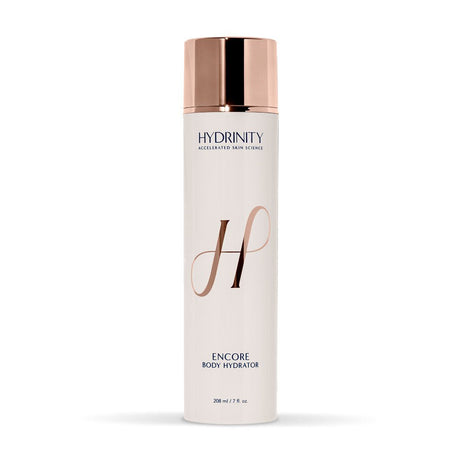
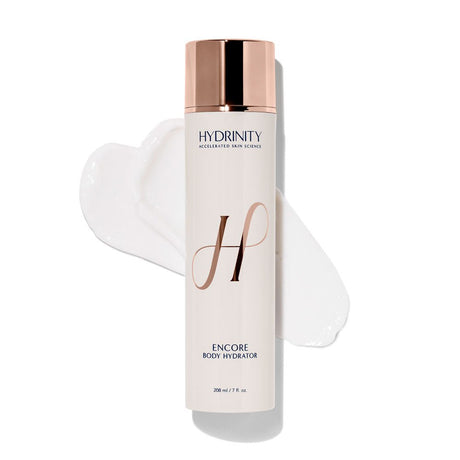
Hydrinity RetaXome Daily Retinal Hydrator
Hydrinity RetaXome Daily Retinal Hydrator combines the renewal category of retinal skincare with hydration and barrier-support considerations. It may be appropriate for consumers concerned about static wrinkles, uneven texture, dullness, or visible sun damage who also want a more supportive approach to vitamin A skincare.
Choosing Products Based on Your Primary Concern
The products in this collection are not intended to be layered together automatically. Choosing one or two clearly defined treatment priorities is often more effective and more tolerable than introducing several advanced serums at once.
-
For expression lines: Consider a targeted expression-line category such as Revision Revox Line Relaxer.
-
For visible firmness and elasticity: Consider structural skin support such as Alastin Restorative Skin Complex.
-
For comprehensive visible renewal: Consider advanced regenerative skincare such as Young Goose Vampire Exosomes.
-
For recovery and visible resilience: Consider NeoGenesis Recovery Advanced Cellular Serum.
-
For dryness, sensitivity, and barrier support: Consider Epicutis Lipid Serum.
-
For environmental and intrinsic stress support: Consider Pavise Bioadaptive Stress Repair.
-
For retinal-based renewal and static wrinkles: Consider Hydrinity RetaXome Daily Retinal Hydrator.
Skin tolerance, current products, professional procedures, pregnancy status, prescriptions, and medical conditions may affect which categories are appropriate. A dermatologist or qualified licensed skincare professional can provide individualized guidance.
Building a GLP-1 Skin Support Routine
A complete routine should support the skin without overwhelming it. Each category should have a specific purpose.
Begin with Gentle Cleansing
A cleanser should remove sunscreen, makeup, oil, and environmental debris without leaving the skin persistently tight or uncomfortable. Harsh cleansing can increase dryness and make fine lines appear more noticeable.
Select a Primary Treatment Goal
Choose the concern that matters most, such as expression lines, laxity, visible renewal, sensitivity, or static wrinkles. A primary treatment serum can then be selected around that goal.
Using several advanced corrective serums at once is not necessary and may increase irritation, cost, and regimen complexity.
Add Hydration and Barrier Support
Hydration helps improve surface flexibility and the appearance of dehydration-related lines. Barrier support helps retain moisture and improves tolerance for retinoids, peptides, and regenerative treatments.
Explore Skin Barrier Repair Collection for additional products focused on moisture retention and skin resilience.
Introduce Renewal Thoughtfully
Retinoids and exfoliating treatments can support texture, pigmentation, and static wrinkles, but they may not be appropriate when the skin is already dry or reactive. Renewal should be balanced with recovery and barrier care.
Explore Retinoids & Exfoliants Collection for additional professional renewal options.
Protect the Skin Daily
Broad-spectrum sunscreen helps reduce continued UV-related collagen breakdown, uneven pigmentation, and loss of elasticity. It also supports the long-term value of the rest of the regimen.
Why Professional GLP-1 Skincare Matters
Professional skincare offers access to advanced formulation technologies, specialized delivery systems, targeted treatment categories, and products developed for specific concerns such as visible laxity, expression lines, barrier disruption, recovery, and sun damage.
The term “medical-grade skincare” does not mean that a cosmetic product can replace medical care, restore lost facial fat, or treat complications related to a prescription medication. Its value lies in sophisticated formulation, targeted product selection, and integration into a consistent routine.
Your Skincare Source offers authorized, professional skincare from physician-recommended brands. Purchasing from an authorized retailer helps ensure that products are authentic, properly stored, and supported with accurate brand information.
Consumers should continue working with the healthcare professional managing their GLP-1 treatment. Cosmetic changes alone are not a reason to stop, reduce, or alter a prescribed medication without medical guidance.
Supporting Skin Through a Period of Change
Significant weight loss can be an important health transition, but changes in facial fullness and skin quality may require a new skincare strategy. The goal is not to promise that a serum can restore lost tissue. It is to support the hydration, barrier function, texture, elasticity, recovery, and environmental protection of the skin that remains.
A consistent, well-tolerated routine built around realistic goals can help the skin look smoother, healthier, and more resilient during and after GLP-1-supported weight loss. Thoughtful product selection is more valuable than layering every available anti-aging treatment at once.
Results vary. This collection provides general cosmetic skincare information and is not medical advice. Skincare products do not treat the side effects of prescription medications or replace care from the healthcare professional managing GLP-1 treatment.
Explore GLP-1 skincare support for visible concerns that may accompany significant weight loss, including dryness, changes in facial fullness, skin laxity, and texture. Shop targeted serums, moisturizers, and supportive skincare from authorized brands, with VIP pricing and available special offers and gifts.