The Evolution of Post-Injectable Skincare: Why Recovery Has Become an Essential Part of Modern Aesthetic Treatments
Cosmetic injectable treatments have become one of the most popular aesthetic procedures for individuals seeking to maintain a refreshed, youthful appearance without surgery. As treatments such as neuromodulators, dermal fillers, and collagen-stimulating injectables continue to grow in popularity, the conversation surrounding recovery has evolved as well.
For many years, post-treatment care focused primarily on what patients should avoid after an appointment. Today, aesthetic professionals increasingly recognize that supporting the skin before and after treatment can be just as important as the procedure itself. This shift has helped create an entirely new category of skincare focused on recovery, hydration, barrier support, and maintaining overall skin health.
Rather than viewing injectable treatments as isolated events, dermatologists, plastic surgeons, and aesthetic providers now often approach them as part of a broader skin wellness strategy. The goal is not simply to improve appearance temporarily, but to support healthier-looking skin over time.
This evolution has led to increased interest in specialized products designed to complement professional treatments, including newer innovations such as Alastin INhance Post-Injection Serum, which was developed specifically for the post-injectable skincare category.
How Injectable Treatments Changed the Skincare Conversation
The rise of injectable procedures has transformed how many consumers think about skincare. According to the American Board of Cosmetic Surgery, injectable treatments such as dermal fillers have become a popular option for addressing volume loss and other visible signs of aging without surgery. As these procedures have become more common, interest in supportive skincare before and after treatment has grown as well.
While these categories remain important, modern skincare increasingly recognizes that long-term skin health requires more than correction alone. Today's aesthetic patients often focus on preserving skin quality, supporting skin resilience, and maintaining healthy barrier function alongside professional treatments.
This broader perspective has helped bridge the gap between in-office procedures and at-home skincare. Instead of existing separately, these two approaches are now frequently viewed as complementary components of an overall skin maintenance strategy.
Why Traditional Post-Treatment Approaches Often Fall Short
Historically, recovery recommendations after injectables were relatively straightforward. Patients were typically advised to avoid excessive exercise, heat exposure, unnecessary touching of the treatment area, and certain activities for a short period of time.
While these recommendations remain valuable, they do not fully address the needs of the skin following a cosmetic procedure.
After treatment, skin may experience temporary redness, swelling, sensitivity, tenderness, or visible signs associated with the injection process. Traditional skincare products were rarely developed with these specific concerns in mind.
Many products designed for anti-aging, exfoliation, or resurfacing focus on actively changing the skin. Recently treated skin often benefits from a different philosophy, one centered around support rather than correction.
This gap in the market helped create demand for a new generation of skincare products developed specifically for use around aesthetic procedures.
The Rise of Recovery-Focused Skincare
Recovery-focused skincare represents one of the most significant shifts in modern aesthetic skincare.
Instead of focusing exclusively on visible correction, these formulations are designed around broader concepts that support overall skin wellness. This includes:
- Barrier support
- Hydration optimization
- Skin comfort
- Recovery support
- Skin resilience
- Long-term skin quality
For patients who receive injectable treatments regularly, this category offers an opportunity to support skin during periods when it may be more sensitive or visibly affected by treatment.
The growth of recovery-focused skincare reflects a larger trend within the skincare industry: the recognition that healthy-looking skin is often achieved through support and maintenance rather than correction alone.
The Importance of Skin Barrier Health After Cosmetic Procedures
One of the most important concepts in skincare science today is barrier health.
The skin barrier serves as a protective shield that helps retain moisture while defending against environmental stressors. When functioning optimally, the barrier contributes to smoother, healthier-looking skin and helps maintain overall skin comfort.
Following aesthetic treatments, supporting the skin barrier becomes particularly important. While injectable procedures are minimally invasive, the skin still undergoes a natural recovery process.
A strong, healthy barrier may help skin maintain balance during this period and support an overall healthier appearance.
This is one reason many skincare professionals recommend barrier-conscious formulations when discussing post-procedure skincare strategies.
Hydration: The Foundation of Healthy-Looking Skin
Hydration remains one of the most fundamental aspects of skin health, yet it is often overlooked when discussing injectable recovery.
Well-hydrated skin tends to appear:
- Smoother
- More comfortable
- More resilient
- More radiant
Modern hydrating skincare often takes a multi-layered approach, combining moisture-binding ingredients, barrier-supportive technologies, and advanced formulation techniques designed to help maintain hydration throughout the day.
For individuals undergoing aesthetic procedures, hydration-focused skincare can play an important role in maintaining overall skin wellness before and after treatment. Products such as Alastin HA Immerse Serum can help support hydration as part of a comprehensive skincare strategy.
The Shift Toward Multi-Pathway Skincare Strategies
One of the biggest advancements in modern skincare is the move away from single-purpose products and toward multi-pathway approaches. Rather than focusing on one visible concern at a time, many professional skincare brands now formulate products that support multiple aspects of skin health simultaneously.
This shift reflects a deeper understanding of how skin functions. Concerns such as dryness, dullness, visible aging, uneven texture, and sensitivity rarely exist in isolation. Instead, they are often connected through the skin barrier, hydration levels, environmental exposure, and the skin's natural renewal processes.
For individuals who regularly receive injectable treatments, this broader perspective can be particularly beneficial. A skincare routine that supports overall skin quality may help create a healthier environment before and after professional procedures.
Examples of skincare categories that often work together include:
- Hydration-focused serums
- Barrier-supportive moisturizers
- Antioxidant protection
- Growth factor and peptide technologies
- Professional sun protection
- Recovery-focused skincare
Rather than viewing skincare as a collection of unrelated products, modern aesthetic skincare increasingly emphasizes how these categories work together as part of a comprehensive strategy.
Why Formulation Matters as Much as Ingredients
Consumers today are more ingredient-conscious than ever before. While ingredients remain important, skincare professionals increasingly emphasize another factor: formulation.
A product's effectiveness depends not only on what is included, but also on how those ingredients are combined, stabilized, and delivered to the skin.
This is one reason professional skincare brands invest heavily in formulation science. Texture, absorption, compatibility with other products, and overall skin feel can all influence how well a product integrates into a skincare regimen.
For post-procedure skincare, formulation becomes even more important. Products designed for use around aesthetic treatments often prioritize elegance, compatibility, and skin comfort while avoiding unnecessary complexity.
This evolution reflects a growing understanding that skincare is not simply about individual ingredients, but about creating formulas that support skin in meaningful and practical ways.
How Professional Skincare and Aesthetic Treatments Work Together
The relationship between skincare and cosmetic procedures has changed dramatically over the past decade.
In the past, many consumers viewed professional treatments as separate from their daily skincare routine. Today, aesthetic providers increasingly recognize that long-term skin health requires both in-office treatments and consistent at-home care.
Professional treatments may address specific aesthetic concerns, while skincare helps support the skin between appointments.
This partnership often includes:
- Preparing skin before treatment
- Supporting skin during recovery
- Maintaining hydration and barrier health
- Providing daily environmental protection
- Supporting overall skin quality over time
As a result, many providers now recommend customized skincare regimens as part of a comprehensive treatment plan rather than as an afterthought.
The Emergence of Dedicated Post-Injectable Skincare
One of the most interesting developments in recent years has been the emergence of products designed specifically for patients receiving injectable treatments.
Historically, patients often relied on their existing skincare products following treatment. While many traditional products remain appropriate, the growing popularity of injectables created demand for solutions tailored to the unique needs of recently treated skin.
This led to the development of a specialized category focused on post-injectable skincare.
Rather than emphasizing correction, these products are generally designed around concepts such as:
- Skin comfort
- Hydration support
- Barrier-conscious care
- Recovery-focused formulation
- Compatibility with aesthetic procedures
As aesthetic medicine continues to evolve, this category is expected to become an increasingly important part of professional skincare recommendations.
A New Generation of Recovery-Focused Innovation
As recovery-focused skincare continues to gain attention, several products have emerged that reflect the industry's changing priorities.
One notable example is Alastin INhance Post-Injection Serum, a newer addition to the Alastin portfolio that was developed specifically for the post-injectable skincare category.
What makes this category noteworthy is not necessarily a single ingredient or claim, but the broader formulation philosophy it represents.
Rather than approaching skincare exclusively through the lens of correction, products in this category acknowledge that skin may have different needs during and immediately following professional aesthetic procedures.
This reflects a larger trend throughout professional skincare, where supporting the skin's overall condition has become just as important as addressing visible concerns.
For consumers who regularly receive injectable treatments, these innovations provide additional options for building a skincare routine that aligns with their aesthetic goals.
Complete the Regimen: Building a Skincare Routine Around Aesthetic Treatments
While recovery-focused products can play an important role, they are most effective when incorporated into a broader skincare strategy.
A comprehensive regimen often includes several complementary categories that support skin health throughout the year.
Gentle Cleansing
Cleansing helps remove impurities, sunscreen, and environmental debris while maintaining a healthy skin environment. Many skincare professionals recommend gentle, non-stripping cleansers that support barrier function.
Hydration Support
Hydration remains one of the most important foundations of healthy-looking skin. Hydrating serums and moisturizers help maintain moisture balance while supporting overall skin comfort.
Barrier Care
Barrier-supportive skincare helps reinforce the skin's natural protective functions and may be especially valuable for individuals who undergo professional treatments throughout the year.
Antioxidant Protection
Environmental stressors such as pollution and UV exposure can contribute to visible signs of aging. Antioxidant products are often incorporated into professional skincare routines to help support long-term skin health.
Growth Factors and Advanced Technologies
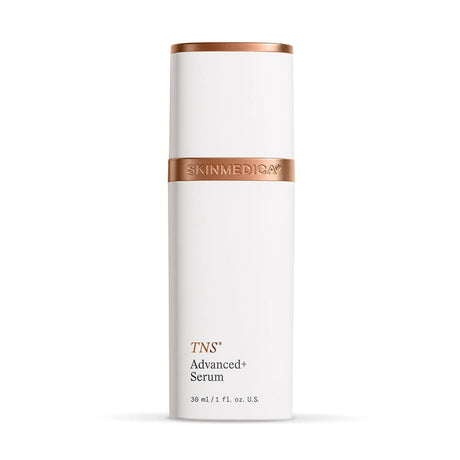
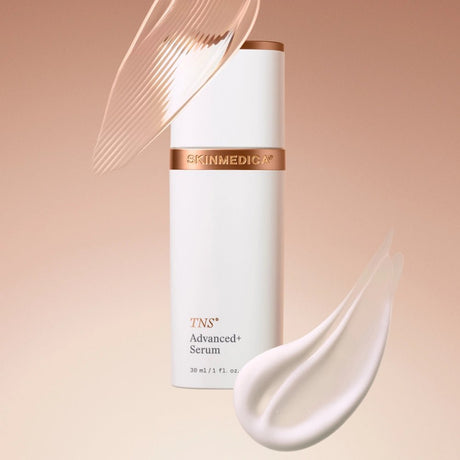
Many skincare professionals recommend advanced technologies, including growth factors and peptide-based products, as part of a comprehensive skin maintenance strategy. Products such as SkinMedica TNS Advanced+ Serum are often discussed within this category because of the growing interest in growth factor skincare and overall skin quality support.
Daily Sun Protection
Many patients prefer a mineral sunscreen that provides both protection and cosmetic elegance, such as Alastin HydraTint Pro Mineral SPF 36, which fits naturally into a treatment-supportive skincare routine.
For individuals building a treatment-supportive routine, exploring categories such as post-procedure skincare, barrier repair products, antioxidants, and professional sunscreens can help create a more comprehensive approach to skin wellness.