Key Takeaways:
- Dark Circles Have Different Causes: Visible blood vessels, extra pigment, hollowing, and puffiness can all make the under-eye area look darker. More than one can happen together.
- Match Your Eye Cream to Your Main Concern: Brightening, hydration, and help with visible puffiness are different goals. Start with the change you most want to see.
- Creams Have Limits: An eye treatment can improve the look of skin, but it cannot erase inherited anatomy or replace lost facial volume.
- Gentle, Consistent Care Matters: Avoid rubbing, protect your skin from the sun, and give a well-tolerated routine time. New or persistent changes deserve a provider's assessment.
You sleep well, drink water, and still look tired. That does not mean you are doing skincare wrong. Dark circles are a description of what you see, not a single condition with one solution.
So, what causes dark circles? Usually some combination of pigment, blood vessels showing through thin skin, shadows from facial structure, or swelling. Sleep, allergies, irritation, and sun exposure can make them more noticeable. Knowing which feature stands out helps you choose more thoughtfully from our best eye creams for dark circles, instead of collecting products that address the wrong concern.
First, Look at Color, Contour, and Timing
Look at clean skin in soft daylight without concealer. Then compare how your under-eyes look in overhead lighting. A shadow that changes noticeably with lighting may have a structural component. Brown discoloration that remains visible across lighting conditions may involve pigment. Blue or purple tones can reflect visible vessels beneath thin skin.
Next, notice timing. Puffiness that is strongest after waking suggests something different from a hollow that looks similar all day. These are clues, not diagnostic tests. Skin tone, lighting, and mixed causes can make color difficult to interpret, so do not press, pull, or repeatedly stretch delicate skin to investigate.
Dark Circle Type Finder
Tap the description closest to what you see. If two fit, that is common. Choose one main concern to address first rather than layering several eye treatments.
My circles look bluish or purple
Likely contributor: Blood vessels can show through naturally thin under-eye skin. Genetics and age-related thinning may contribute, while fatigue or allergies can make the area look more pronounced.
What helps: Gentle hydration can improve dry, crepey-looking skin. Consistent sleep and addressing allergy symptoms with a provider may help when those are contributors. Cream cannot make visible vessels disappear.
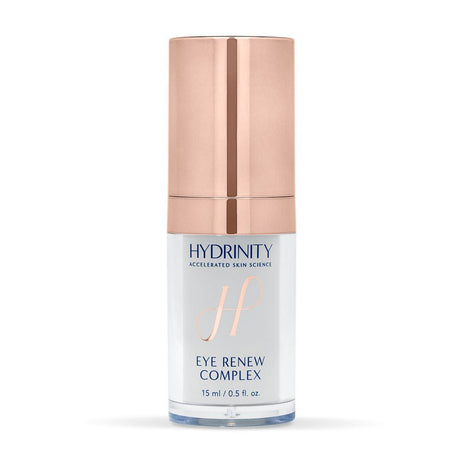
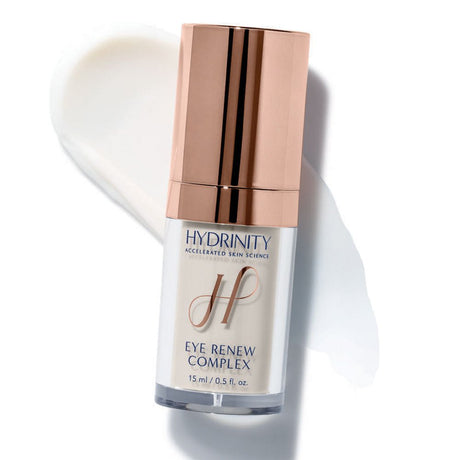
Products to consider: Hydrinity Eye Renew Complex offers hydration and targets the appearance of dark circles and puffiness. If dryness and fine lines are also prominent, consider the rich texture of SkinMedica TNS Eye Repair.
My circles look brown
Likely contributor: Extra melanin can create under-eye discoloration. Genetics, sun exposure, and irritation or repeated rubbing can contribute. Brown circles occur across skin tones, and pigment changes may be especially noticeable in deeper complexions.
What helps: Prioritize sun protection and stop the cycle of rubbing or irritating the area. Choose an eye-specific brightening formula rather than applying a strong facial dark-spot treatment close to your eyes.
Products to consider: SkinMedica Instant Bright Eye Cream contains phenylethyl resorcinol and targets a more even-looking eye area. Ourself Advanced Regenerative Eye Serum offers another option for visible dark circles with lightweight hydration. Neither is a diagnosis-specific pigment treatment.
My circles look hollow or shadowed
Likely contributor: A tear-trough hollow, inherited facial structure, or age-related volume changes can cast shadows even when the skin itself is not darker. Overhead lighting often emphasizes the effect.
What helps: Hydration and smoother-looking texture may soften the overall appearance. A cream will not fill a deep trough or restore missing volume. A qualified dermatologist can explain whether a professional assessment makes sense.
Products to consider: Alastin Restorative Eye Complex targets the appearance of hollowness and the eye contour. If crepiness and loss of firmness are bigger concerns, Revision Skincare D·E·J Eye Cream focuses on those visible skin changes.
My under-eyes look puffy, with a shadow underneath
Likely contributor: Temporary fluid retention, allergies, or persistent under-eye bags can create a raised area with a shadow below it. A dark-looking crescent beneath a bag is not necessarily extra pigment.
What helps: Try a cool, clean compress without applying ice directly to skin. Avoid rubbing and seek guidance for ongoing allergy symptoms. Persistent bags related to anatomy will not disappear with a de-puffing cream.
Products to consider: Hydrinity Eye Renew Complex and SkinMedica Instant Bright Eye Cream both contain caffeine and are formulated to improve the appearance of puffiness.
Which Eye Cream Fits Your Routine?
The best eye cream for dark circles is the one that addresses your main visible concern, feels comfortable, and fits a routine you will actually follow. Use these differences to narrow your shortlist.
Hydrinity Eye Renew Complex: Lightweight Hydration and Puffiness Care
This quick-absorbing formula combines a hyaluronic acid blend, peptides, and caffeine. It is a practical starting point when dark circles come with dehydration, fine lines, or puffiness and you want something that layers under makeup. Its hydration and smoothing benefits do not mean it can correct the underlying cause of every circle.
SkinMedica Instant Bright Eye Cream: Brightness and a Smoother Finish
Phenylethyl resorcinol supports a more even-looking tone, while caffeine targets visible puffiness and multiple forms of hyaluronic acid provide hydration. Soft-focus ingredients also help refine the appearance of texture. That distinction matters: a more polished appearance after application is different from a lasting change in discoloration.
SkinMedica TNS Eye Repair: Rich Care for Dryness and Fine Lines
SkinMedica TNS Eye Repair pairs its TNS growth factor blend with antioxidants and peptides in a rich eye cream. Consider it when dark circles are part of a broader concern about dryness, fine lines, and firmness. Follow its placement directions, which exclude the upper eyelid.
Alastin Restorative Eye Complex: Contour and Crow's Feet
Alastin Restorative Eye Complex features TriHex+ Technology and targets the appearance of crow's feet, hollowness, puffiness, and under-eye bags. It suits someone focused on the overall eye contour. Improving the appearance of hollowness is not the same as replacing volume.
Revision Skincare D·E·J Eye Cream: Crepiness and Firmness
Revision Skincare D·E·J Eye Cream addresses visible crepiness, crow's feet, and loss of elasticity, including the upper-eye area when used as directed. Choose it for those texture and firmness priorities rather than assuming every eye cream is primarily a pigment corrector.
Ourself Advanced Regenerative Eye Serum: Lightweight, All-Around Care
Ourself Advanced Regenerative Eye Serum targets visible dark circles, fine lines, crepiness, and firmness with a lightweight texture. Its directions include the upper eyelids, which can be useful if that area is part of your concern. Always follow the individual formula's instructions rather than transferring directions between brands.
NeoGenesis Eye Serum: An Alternative to a Rich Cream
NeoGenesis Eye Serum is a lightweight, fast-absorbing option formulated for the appearance of dark circles, puffiness, and fine lines. Consider it if you prefer a serum texture. You do not need to layer it with another eye product simply because one is called a serum and another a cream.
A Simple Routine That Does Not Overwork Your Eyes
- Cleanse without friction. Remove makeup gently. Scrubbing and repeated wiping can leave this area irritated.
- Apply one eye treatment. Use the amount and frequency on its label. Keep it away from the lash line and direct eye contact, and apply to eyelids only when expressly directed.
- Protect in the morning. Use broad-spectrum SPF 30 or higher on surrounding skin as tolerated, following the sunscreen label. Add sunglasses and shade. An eye cream without SPF is not sunscreen.
- Keep evenings comfortable. Do not automatically carry facial acids or retinoids up to the eyes. Our guide to night cream versus moisturizer explains how overnight care fits the rest of your face.
If your skin is already dry or stinging, simplify first. Our skin barrier repair guide explains why piling on more actives can be counterproductive. During cooler weather, adjust the surrounding routine with our fall skincare routine rather than introducing several new eye products at once.
What Results Are Realistic, and When Should You Seek Help?
Hydration and cosmetic smoothing may be noticeable before changes in uneven-looking tone or fine lines. Give a comfortable routine several weeks, following the product's guidance, and compare photos in the same lighting. Do not keep using a product through burning, itching, or swelling.
Persistent darkness, eczema-like irritation, or recurring puffiness deserves a dermatologist's assessment, especially if the cause is unclear. Seek prompt medical care for sudden one-sided swelling, pain, redness, or vision changes. Dark circles alone do not establish a vitamin deficiency, so skip self-prescribed supplements as a shortcut.
Final Thoughts
A better eye-care routine starts with knowing what you want to improve: color, texture, puffiness, or the appearance of your contour. Choose one formula that matches that priority and make it a consistent part of your day. Explore our eye creams for dark circles to find the texture and targeted care that help your eyes look refreshed, with expectations grounded in what skincare can actually do.